

How Professional Commercial Floor Sanding Transforms Your Space
When a client, customer or supplier walks into your premises, they notice more than you think. The noise level, the lighting, the smell of coffee… and the floor. A tired, scratched, patchy floor quietly tells people that standards have slipped. A beautifully sanded and finished floor says the exact opposite: this business cares.
For Bermondsey businesses, where competition is fierce and first impressions really do matter, investing in professional commercial floor sanding is one of the most cost-effective upgrades you can make. In this guide, we’ll walk you through how expertly restored floors can transform your space – and how the team at
Bermondsey Floor Sanding can help you impress every visitor, every single day.
Why Commercial Floor Sanding Matters in Bermondsey
Bermondsey sits in a unique part of London life. SE16 and the surrounding areas blend:
- Converted warehouses and studios
- Co-working hubs and creative agencies
- Cafés, bars and restaurants
- Independent shops and showrooms
- Schools, gyms and community halls
Many of these buildings feature original timber boards, parquet blocks or hardwood strips that have seen decades of footfall – and it shows. Dull patches, grey traffic lanes, heel dents and old coating failures are incredibly common.
Professional wood floor sanding:
- Refreshes worn-out surfaces without replacing the floor
- Instantly brightens and “lifts” dark commercial spaces
- Makes cleaning faster and more effective
- Reduces trip hazards, splinters and loose boards
- Helps you stay on top of hygiene and health & safety
In short, your floor becomes an asset again – not something you’re constantly trying to hide under rugs or display units.

What Is Commercial Floor Sanding?
Commercial floor sanding is the process of mechanically removing the old finish, surface damage and minor irregularities from timber floors in busy, non-domestic settings, then applying a new, durable coating system.
It’s similar to residential sanding, but with important differences:
- Heavier wear: offices, cafés and shops experience far more traffic
- Stricter timeframes: you may only be able to close for a night or a weekend
- Higher performance finishes: coatings must cope with constant use, trolleys and chairs
- Tighter dust control: vital for food businesses and shared buildings
That’s why it pays to choose a specialist who understands commercial floor sanding rather than a general handyman.

Floors We Restore in Bermondsey Commercial Spaces
Over time, our technicians have encountered almost every kind of timber floor you can imagine in SE16 and the surrounding postcodes. Typical examples include:
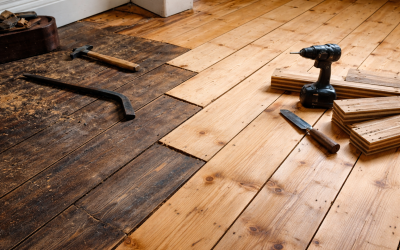
Original Pine Board Floors
Many older Bermondsey properties feature softwood boards. These often look beyond saving, but with careful hardwood floor sanding techniques adapted to softwood, they can be transformed into warm, characterful floors that match modern interiors while retaining historic charm.
Parquet Floors in Offices and Halls
We regularly work on classic herringbone, basketweave and block patterns in:
- Boardrooms and meeting spaces
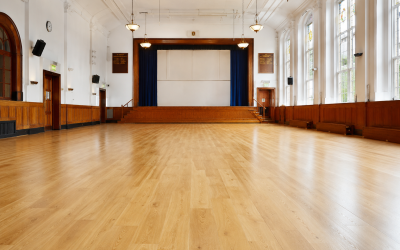
- School halls and church/community buildings
- Corridors and stair landings
Expert parquet floor sanding and parquet floor restoration restore sharp edges, crisp lines and rich colour, so the pattern stands out rather than looking dull and flat.
Engineered and Solid Hardwood in Shops and Studios
Riverside apartments turned showrooms, design studios and galleries often have:
- Oak strip floors
- Wide plank engineered boards
- Dark-stained hardwoods
Careful hardwood floor refinishing removes scratches and wear while respecting any veneer limits on engineered products.
Ancillary Areas – Decks and Worktops
Many Bermondsey businesses now extend outdoors with seating terraces and serve food and drinks on timber counters. Our deck sanding and deck renewal services keep exterior boards safe underfoot, while worktop refinishing refreshes bar tops, café counters and wooden service areas to a hygienic, food-safe finish.

The Business Case: Benefits of Commercial Floor Sanding
Commercial floor sanding is more than a cosmetic tidy-up. Done properly, it delivers tangible advantages.
1. Stronger First Impressions
A clean, even, beautifully finished floor sends a clear message about your brand:
- Professional
- Organised
- Trustworthy
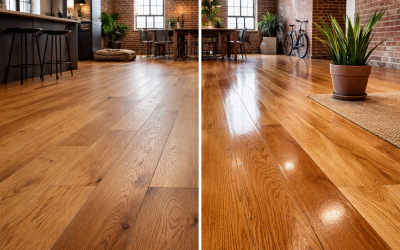
Whether you’re showing high-value clients into a studio, parents into a school hall or diners into a restaurant, they subconsciously judge the space within seconds. A sparkling floor makes that snap judgement work in your favour.
2. Improved Safety and Compliance
Sanding and refinishing can:
- Remove trip hazards from cupped or raised boards
- Reduce the risk of splinters and loose blocks
- Allow us to apply slip-resistant finishes in high-risk areas
In hospitality, leisure and education settings, this is especially important – not just for insurance, but for day-to-day peace of mind.
3. Easier Cleaning and Better Hygiene
Worn finishes are harder to keep clean. Dirt and spills cling to rough, scratched timber, and mopping never seems to get the floor truly fresh again.
A newly sanded and properly coated floor:
- Resists staining
- Allows dust and grit to be removed quickly
- Responds better to approved cleaning products
For cafés, gyms and clinics, this is a huge advantage.
4. Extending the Life of Your Floor
Complete floor replacement is costly and disruptive. Regular commercial floor sanding and re-coating protects the timber underneath, often adding decades to the life of the floor. It’s a classic case of a little now or a lot later.

Our Commercial Floor Sanding Process in Bermondsey
While every project is tailored to the building, the basic process follows a tried-and-tested sequence.
1. Site Survey and Planning
We begin with a detailed inspection of:
- Floor type and thickness
- Existing coatings and damage
- Sub-floor and moisture levels
- Access, power and noise constraints
We then agree a schedule that works around your opening hours – evenings, overnight or weekends where needed.
2. Protection and Setup
Before sanding, we:
- Move or carefully protect fixtures and furniture
- Mask off sensitive equipment and fittings
- Set up advanced dust-control systems and extraction
The aim is to keep disruption and cleaning to an absolute minimum for you and your staff.
3. Heavy Sanding – Levelling and Stripping Back
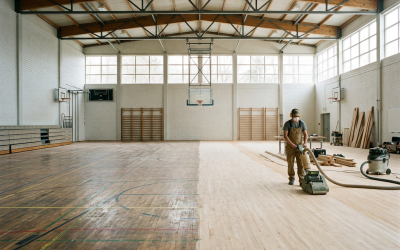
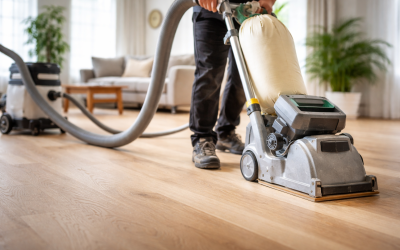
Using professional belt and planetary sanders, we:
- Strip away old varnish, lacquer, oil or polish
- Remove surface dirt, stains and minor unevenness
- Bring the floor back to clean, bare timber
Experienced technicians select the right grit progression so the floor is levelled efficiently but without unnecessary wear.
4. Edge and Detail Sanding
Edges, corners, stairs and tight spots are treated with specialised machines and hand tools, ensuring a consistent appearance right up to skirting boards, thresholds and pillars – vital in open commercial spaces where nothing is hidden by rugs.
5. Repairs and Gap Filling
This stage may include:
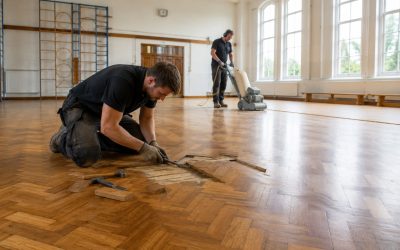
- Re-fixing loose boards or parquet blocks
- Replacing damaged sections with matching timber
- Filling gaps with resin and fine dust or hardwood slivers
Thorough preparation here improves both appearance and performance, especially in draughty older buildings.
6. Fine Sanding and Buffing
Once the structure is sound, we refine the surface with progressively finer grits, followed by rotary buffing. This leaves the floor smooth and ready to accept your chosen finish with no swirl marks or visible sanding lines.
7. Staining (Optional)
If you want to alter the colour – for example, a deeper oak tone for a bar or a lighter contemporary look for a studio – we can apply stains or tinted oils before the final protective coats.
8. Application of Commercial-Grade Finishes
We then apply high-performance coatings designed specifically for busy environments, such as:
- Two-part water-based lacquers
- Hardwax oils for a natural, repairable sheen
- Specialist slip-resistant systems where required
These are chosen to balance durability, aesthetics, maintenance and downtime.
9. Curing, Handover and Aftercare Guidance
Once the final coat is applied, we advise on:
- When light foot traffic can resume
- When furniture can be replaced
- Ongoing cleaning and maintenance routines
Our aim is that you know exactly how to keep your “new” floor looking fresh for years, not just weeks.

Choosing the Right Finish for Your Commercial Space
Different businesses need different performance characteristics from their floor finish.
Offices and Co-Working Spaces
- Durable lacquers resist castor-chair wear
- Mid-sheen levels hide minor scuffs
- Neutral tones keep interiors bright for long hours at the screen
Cafés, Bars and Restaurants
- Stain and spill resistance is crucial
- Slip resistance around counters and entrances is a must
- Deeper tones often work well with low, warm lighting
Shops and Showrooms
- High clarity finishes showcase timber grain under spotlights
- Hard-wearing systems resist trolleys, strollers and heavy traffic
- Sanding and finishing can often be phased around trading hours
Schools, Studios and Gyms
- Tough, elastic finishes cope with sports use and chairs dragged across floors
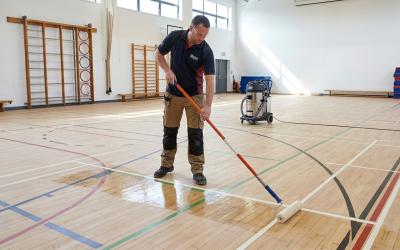
- Line marking for sports courts can be incorporated
- Maintenance cycles can be planned around term dates or studio programmes
We’ll always explain the pros and cons of each system in plain English, so you can make a confident, informed choice.
How Often Do Commercial Floors Need Sanding?
There’s no single rule, because it depends on:
- Footfall (and footwear)
- Type of business
- Cleaning routines
- Type of finish applied
However, as a broad guide:
- Full sanding: every 7–12 years in typical commercial use
- Light screen and re-coat: every 2–4 years for busy spaces
The key is not to wait until the finish has completely worn through to bare wood. Once that happens, dirt and moisture begin to damage the timber itself, and a deeper sand is required.
Aftercare: Keeping Your Floors “Grand Opening” Fresh
You’ve invested in commercial floor sanding – now protect that investment with simple, smart habits.
Daily and Weekly Tasks
- Use entrance mats to capture grit and moisture
- Vacuum or sweep with soft, non-abrasive tools
- Damp-mop (not soaking) with a pH-neutral, wood-safe cleaner
Furniture and Layout
- Fit quality felt pads to chair and table legs
- Use protective cups under heavy display units
- Avoid dragging items across the floor where possible
Periodic Maintenance
- Rotate rugs and displays to avoid uneven fading
- Book periodic professional maintenance cleans and, when needed, a light buff and re-coat
Follow this routine and your floors will continue to impress visitors long after the sanding machines have gone.

Other Timber Services for Bermondsey Businesses
Your main trading floor might not be the only timber surface customers see. We can help you present a consistent standard throughout your premises:
- Worktop refinishing: revitalise counters, coffee bars and servery tops so they look clean, bright and appetising.
- Deck sanding and deck renewal: make outdoor seating areas safer and more welcoming by removing algae, splinters and grey weathering.
- Wood floor sanding in back-of-house areas, corridors and staircases to create a coherent, professional feel from entrance to exit.
These services not only look good; they also make daily cleaning simpler and protect the fabric of your building.
Questions to Ask Any Commercial Floor Sanding Company
Before you entrust your floors – and your reputation – to anyone, it’s worth asking:
- Are you experienced in commercial, not just domestic, floor sanding?
- What dust-control systems do you use? (Essential for food and shared buildings.)
- Which finishes do you recommend for my specific business and why?
- Can you work out of hours or in phases to minimise downtime?
- Are you insured, and do you offer a written guarantee?
- Do you provide aftercare advice and maintenance options?
A reputable provider will happily answer all of these and explain the process clearly.
Why Bermondsey Businesses Choose Professional Floor Sanding
Working with a specialist team for commercial floor sanding in Bermondsey means you benefit from:
- Local knowledge of building types, access and regulations
- Professional-grade machinery and coatings designed for high traffic
- Efficient scheduling around your busiest times
- A single point of contact from quotation to final walk-through
Most importantly, you gain the confidence that your floors won’t let the rest of your brand down when visitors step through the door.

Ready to Impress Every Visitor?
If your floor is looking tired, patchy or simply doesn’t match the standard of the rest of your space, now is the ideal time to act. A well-planned commercial floor sanding project can:
- Transform the look and feel of your business in a matter of days
- Reduce long-term maintenance and replacement costs
- Help you make the right first impression on every client, customer or guest
Visit Bermondsey Floor Sanding today to arrange a no-obligation survey and quotation. With the right expertise, your commercial floor won’t just cope with daily traffic – it’ll become one of the star features of your Bermondsey business.