
| Key Takeaways |
|---|
| Victorian pine restoration requires specific grit sequences starting with 40-grit Zirconia. |
| Resin gap filling is essential for a draft-free, heritage finish in period UK homes. |
| Bona Traffic HD is the industry standard for durability in high-traffic domestic areas. |
| Acclimatisation and moisture content monitoring are critical to prevent timber shrinkage. |
The Challenge of Heritage Pine: Why Victorian Floors Require Expert Care
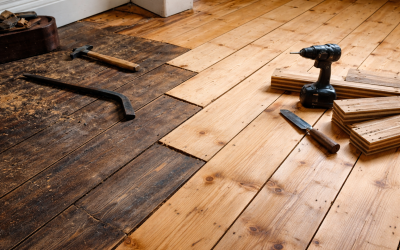
If you live in a Victorian or Georgian property in the UK, you likely have original pine floorboards hidden beneath decades of carpet or linoleum. These boards are a significant heritage asset, but they often present a unique set of problems. From deep-set orange staining and bitumen edges to significant gaps and uneven surfaces, restoring these floors is not a simple DIY task for the weekend warrior. The agitation comes when homeowners realize that standard rental sanders lack the power to level these boards, often leaving behind unsightly ‘chatter marks’ and uneven finishes.
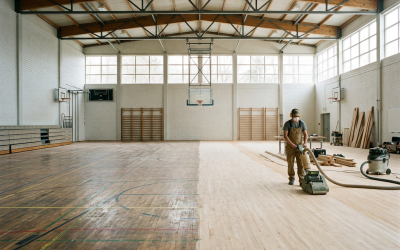
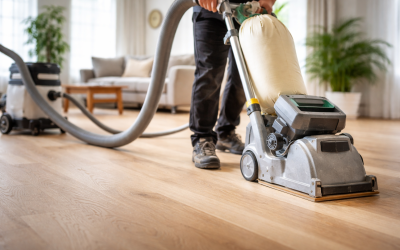
The solution lies in a methodical, professional approach using high-end machinery like the Lagler Hummel or Bona Belt. Our professional floor sanding services ensure that your timber is treated with the respect it deserves, removing the old layers of grime while preserving the character of the wood.
Pro-Tip: The Grit Sequence for Uneven Victorian Pine
When dealing with uneven heritage floorboards, the starting point is critical. We recommend starting with a 40-grit Zirconia abrasive. While 24-grit is sometimes used for heavy levelling, it can be too aggressive for older, thinner pine. Following the 40-grit pass, the sequence should strictly follow a 60, 80, and finally a 100 or 120-grit finish with a Bona Flexisand or Trio to ensure the grain is closed and smooth.
Resin Gap Filling and Heritage Restoration
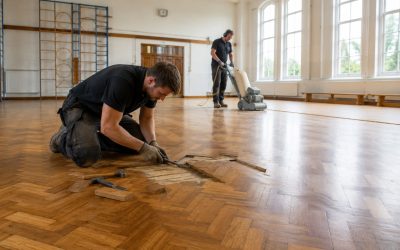
One of the most common complaints in UK period homes is drafts rising through the floorboards. We utilize a high-quality resin mix blended with the fine dust from the 80-grit sanding pass. This creates a colour-matched putty that fills the gaps effectively, significantly improving thermal insulation. For larger gaps, we use reclaimed pine slivers to ensure a seamless look that respects the age of the timber.
Before applying any finish, it is vital to check the moisture content of the floorboards. In the humid UK climate, pine can expand and contract; applying a seal to timber that hasn’t acclimatised can lead to ‘tannin pull’ or premature failure of the finish. We often recommend a process called ‘water popping’ to open the grain before staining, ensuring an even distribution of colour without blotchiness.
Choosing the Right Finish: Bona Traffic HD
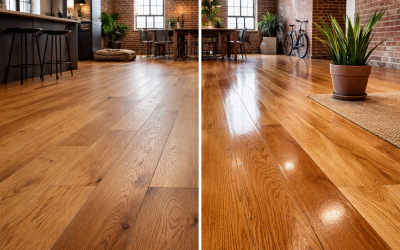
For Victorian hallways and living rooms, we almost exclusively recommend Bona Traffic HD. This water-based lacquer offers incredible durability and is ready for light foot traffic in just 8 hours. In the typical UK humidity, we recommend a minimum of three coats: one primer (like Bona White to keep the pine looking natural) followed by two coats of Traffic HD.
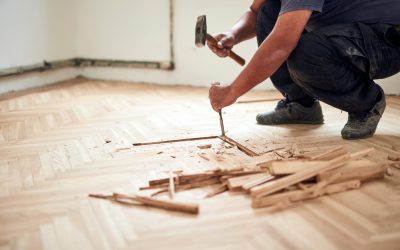
Learn more about dust-free sanding technology and how it protects your home during the restoration process. If your floor has structural damage, see our guide on parquet floor restoration for more technical insights. For those looking to change the colour of their pine, read our wood floor finish guide.